Tom Wesselmann - Steelcuts
Inquire about this artistBorn February 23, 1931, Wesselmann attended college in his native state of Ohio, first at Hiram University followed by the University of Cincinnati where he studied psychology. Wesselmann was drafted in the U.S. Army in 1952. It was during this time that he began to draw, becoming increasingly interested in cartoons. After being discharged, Wesselmann completed his degree in 1954 and went on to study drawing at The Art Academy of Cincinnati. In 1956 Wesselmann was accepted to Cooper Union at which time his focus drastically shifted to fine art. Rejecting abstract expressionism and the action painting of de Kooning which he so admired, Wesselman instead favored classical representations of the nude, still life, and landscape.
In search of his own style Wesselmann began to create collages and assemblages through found everyday objects and advertising ephemera. While continuing his experimentation with mixed media, Wesselmann became one of the founding members of the Judson gallery along with Mark Radcliff and Jim Dine. His Still Life’s and Great Nudes of the ‘60s and ‘70s won him acclaim for their flat forms, selectively shaped canvases, and intense color. The ‘80s and ‘90s were spent exploring sculpture; and, in the 21st century the artist returned to painting. Once again Wesselmann employed flat compositions, more defined lines, and a propensity toward primary colors all of which diminished the separation between his own figurative and abstract styles. Referencing Mondrian and Matisse as influential forces, Wesselmann created a last breadth of work before passing in December of 2004.
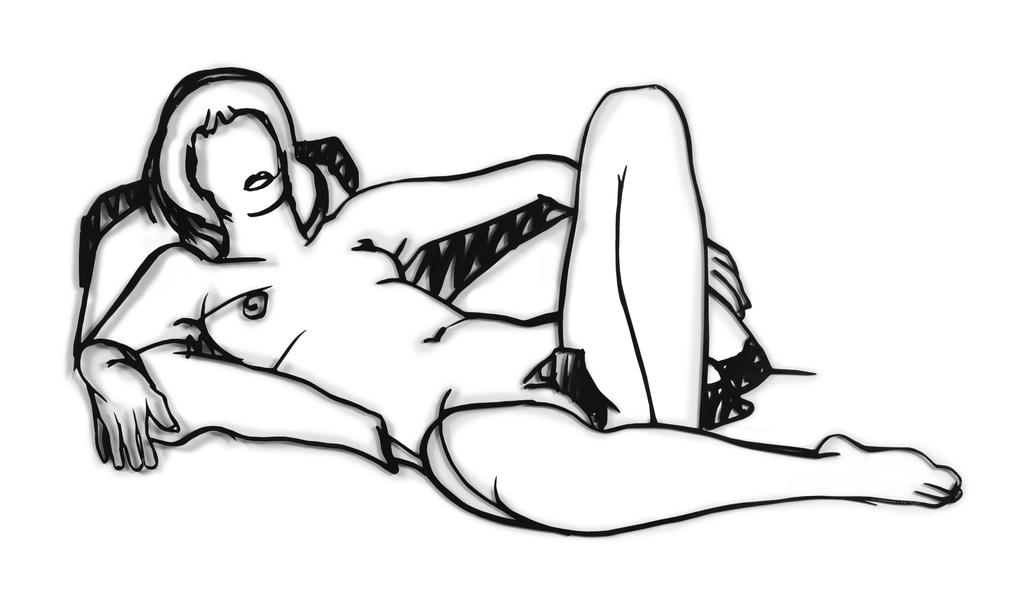
Tom Wesselmann
Monica Lying on Blanket, 1988
Enamel on laser cut steel
22 3/4h x 41w in
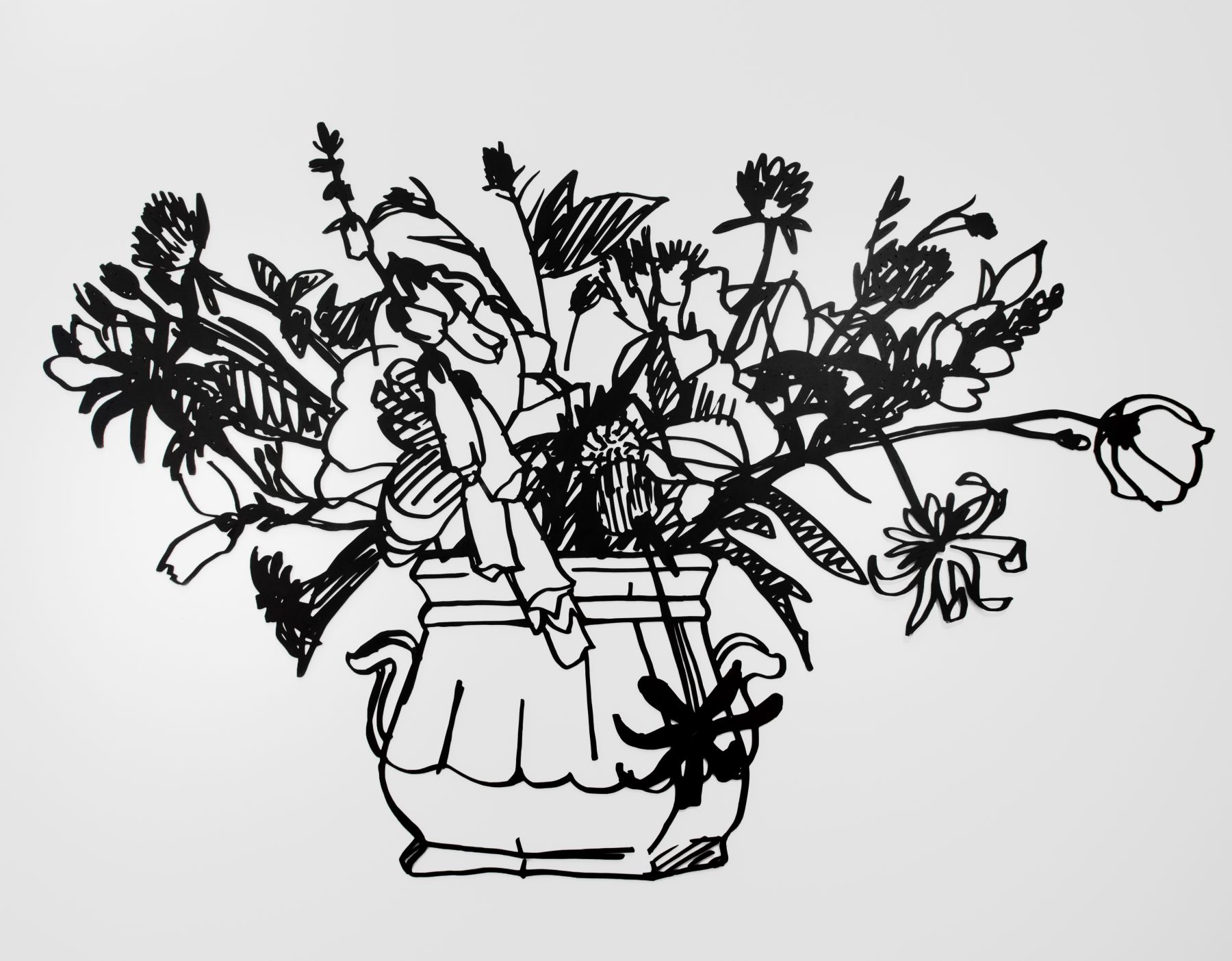
Tom Wesselmann
Wildflower Bouquet, (Two Handled Vase), 1988
Enamel on cut-out steel
58h x 88w in
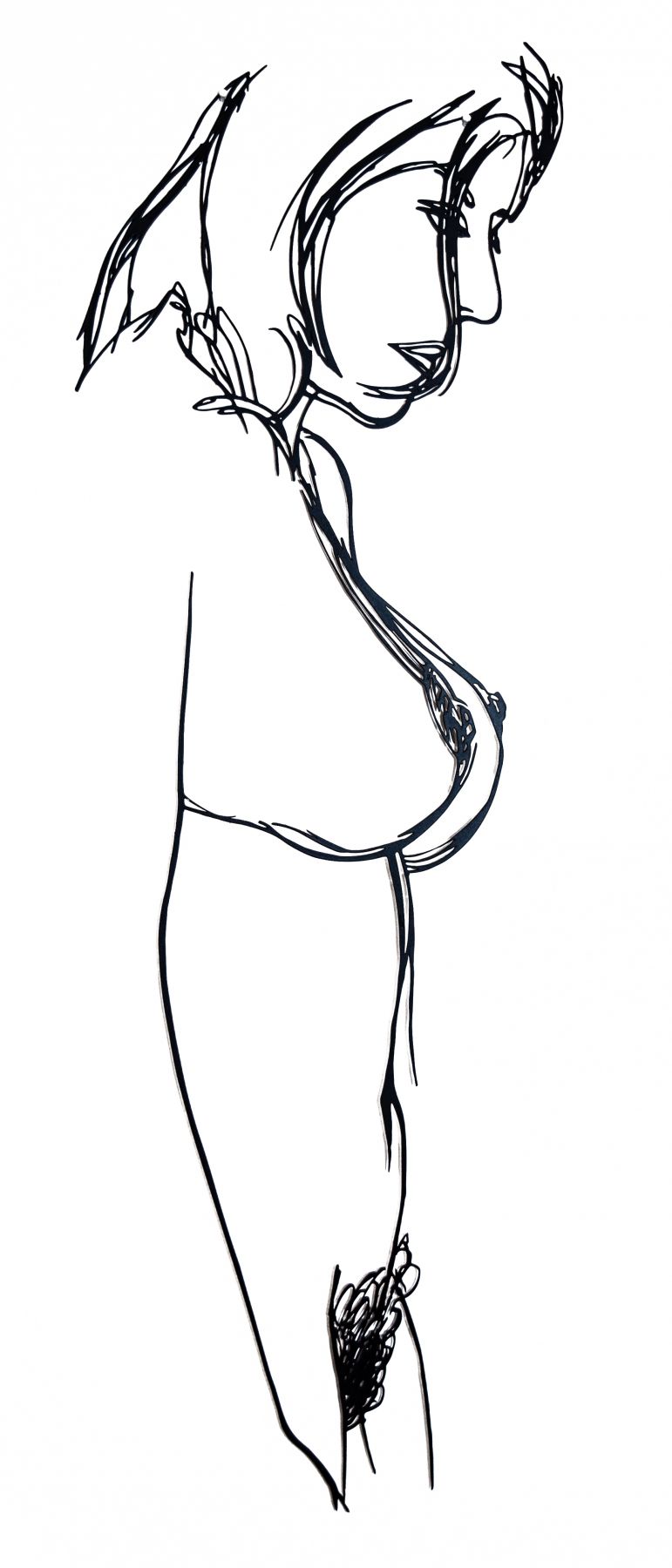
Tom Wesselmann
Standing Nude Edition, 1985
Laser-cut steel with black enamel
22 3/4h x 7w in
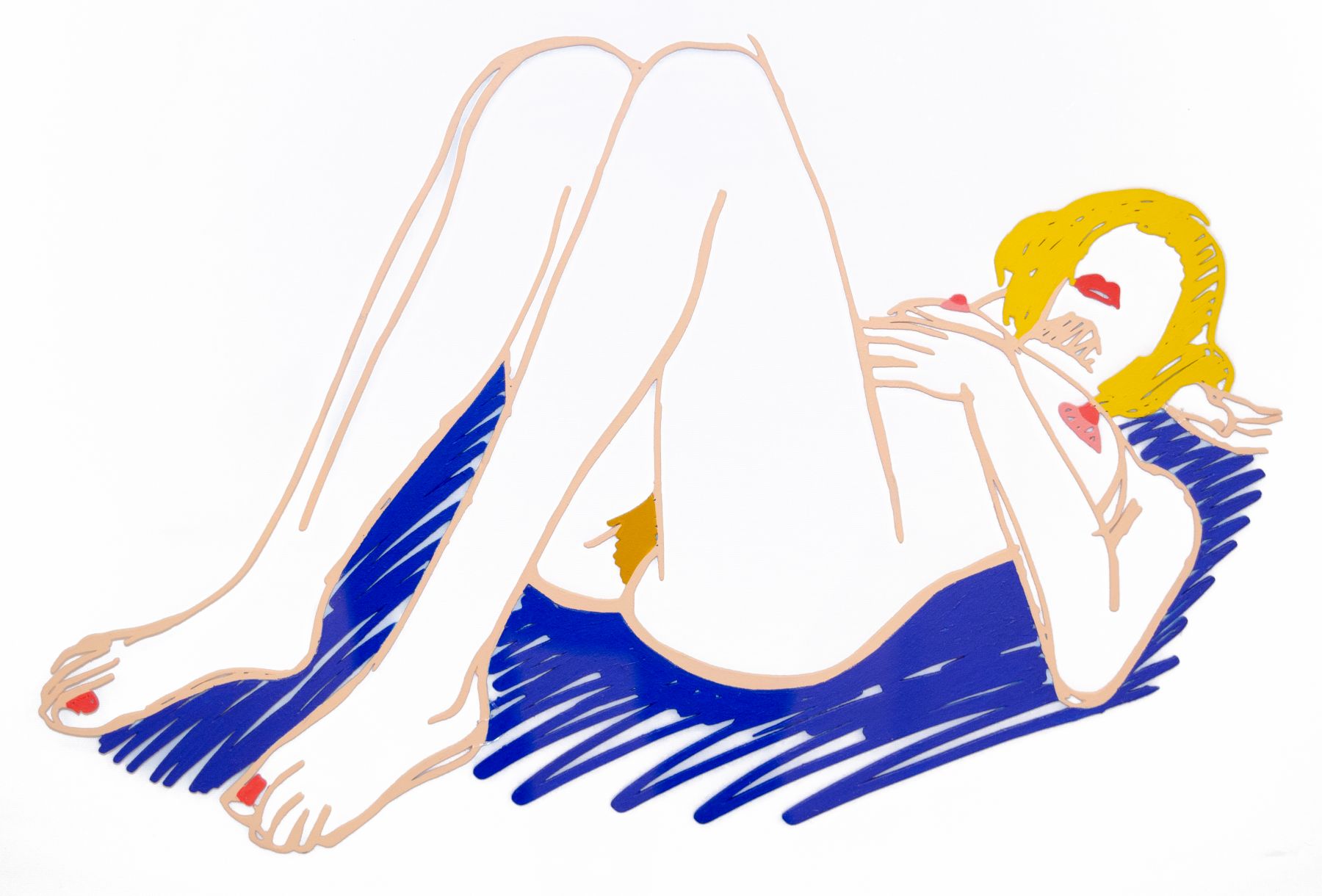
Tom Wesselmann
Blonde on Blanket, 1985-1998
Alkyd on cut out steel
10h x 10w in
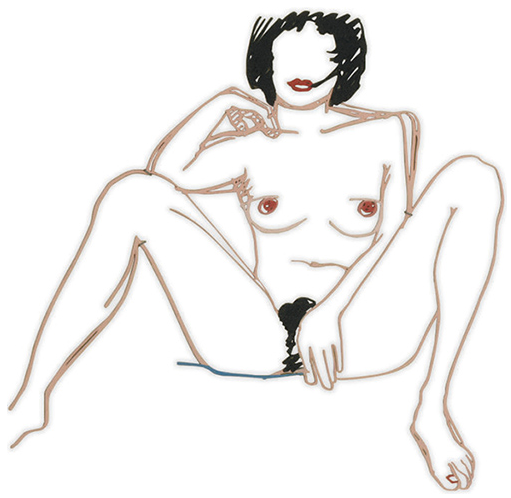
Tom Wesselmann
Monica Sitting with Legs Spread, 1985-1997
Alkyd on cut out steel
10 1/2h x 11w in
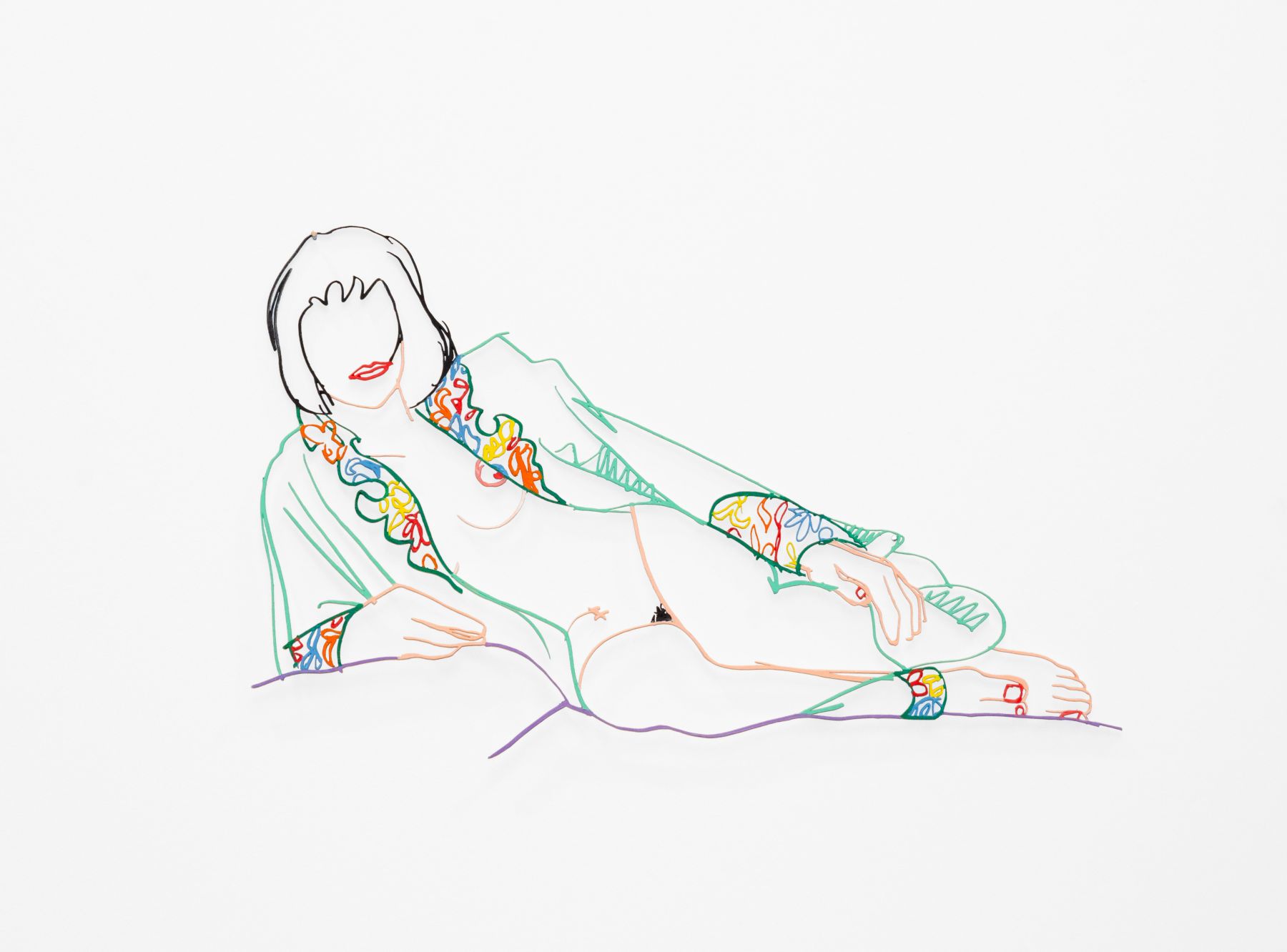
Tom Wesselmann
Monica Lying on One Elbow with Robe, 1985-1997
Enamel on laser-cut steel
7 1/2h x 12 5/8w in
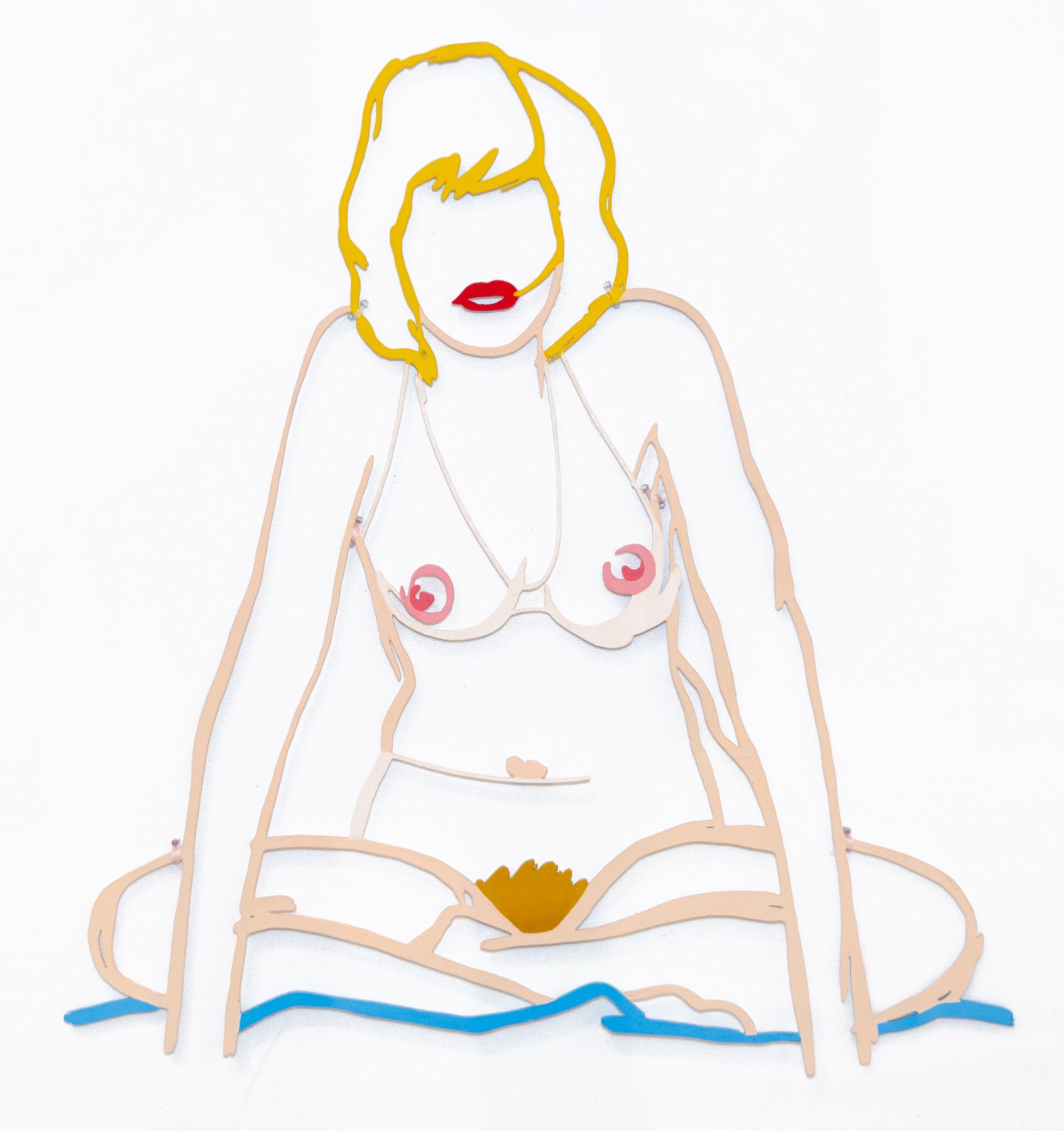
Tom Wesselmann
Monica Sitting Cross-Legged, 1986-1990
Alkyd on cut out steel
9 4/5h x 9 1/10w in
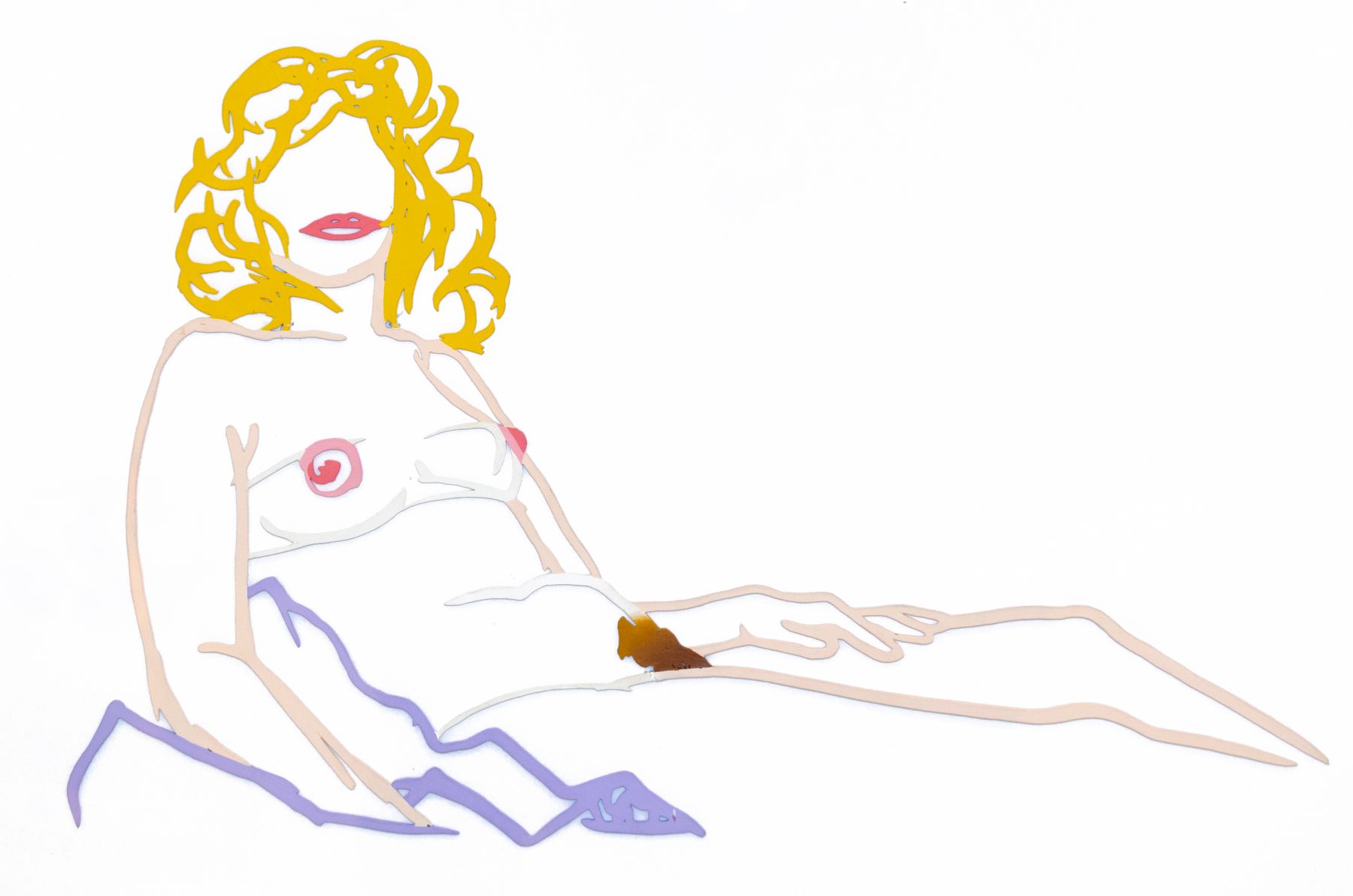
Tom Wesselmann
First Rosemary Drawing, 1990
Laser-cut steel with alkyd oil
9h x 14w in
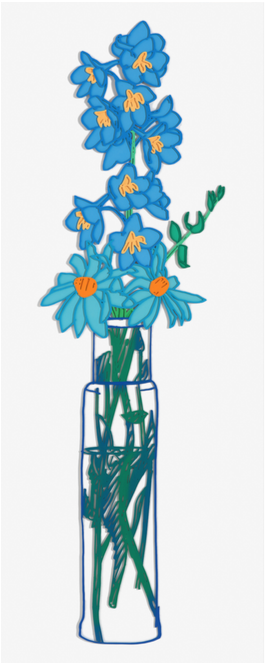
Tom Wesselmann
Delphinium and Daisies, 1989-1992
Alkyd on cut out steel
52h x 15 3/4w in

Tom Wesselmann
Tenannah Lake House Edition, 1992
Alkyd on cut out steel
36h x 36w in
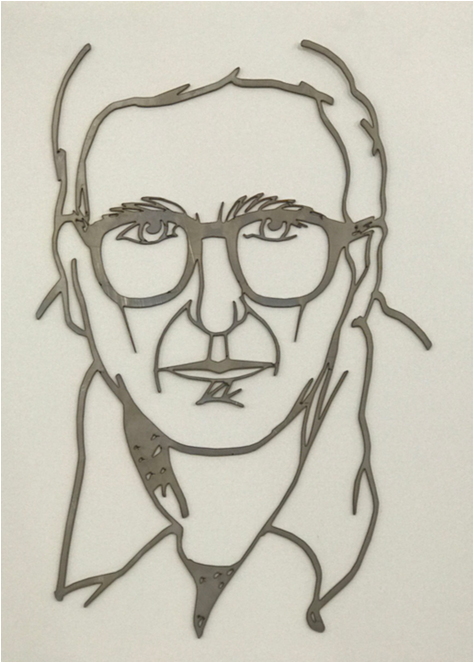
Tom Wesselmann
Self Portrait While Drawing, 1986
Sanded stainless steel
14h x 9w in
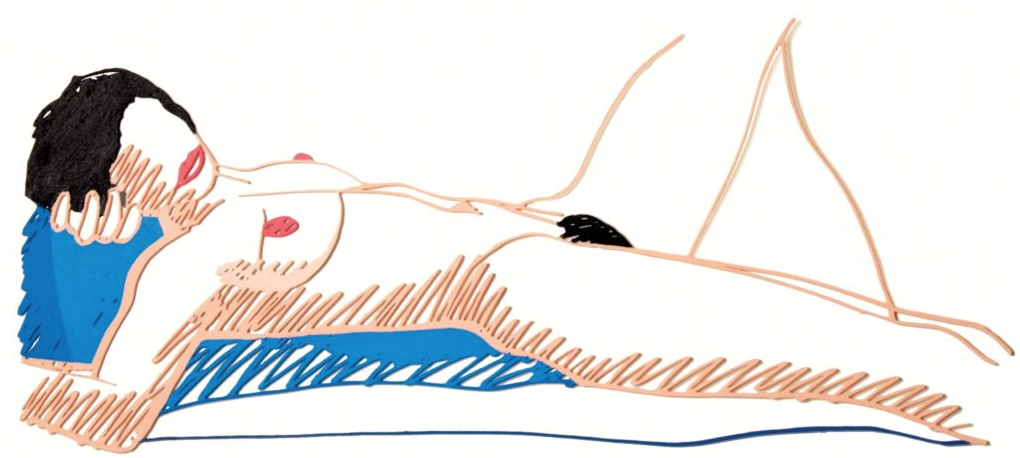
Tom Wesselmann
Monica Lying on her Back, 1988-1997
Alykd oil on cut-out steel
6 3/4h x 14 7/8w in
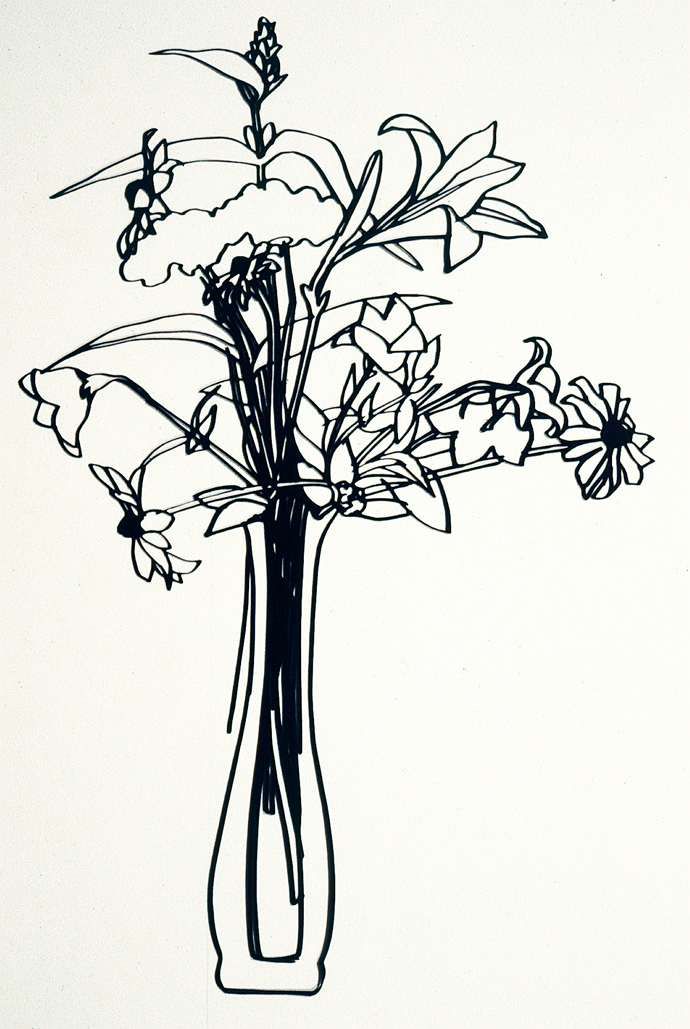
Tom Wesselmann
Wildflower Bouquet, 1987
Enamel on laser cut steel
38h x 24 3/4w in
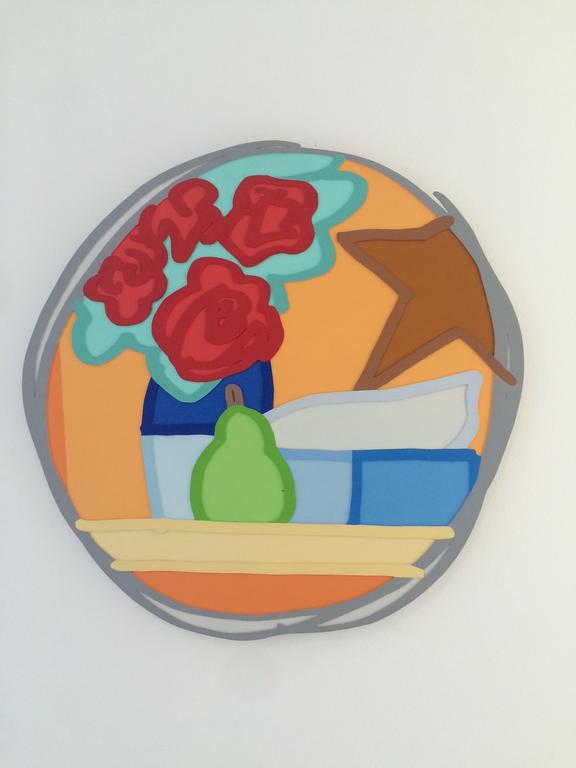
Tom Wesselmann
Still Life with Four Roses and Pear, 1993
Mixed media on cut out steel
20 3/4h x 21w in
SOLD

Tom Wesselmann
Birthday Bouquet (Hat Vase), 1988-1991
Alkyd on cut out steel
42h x 54 1/2w in
SOLD